
South Metro: (952) 960-9411
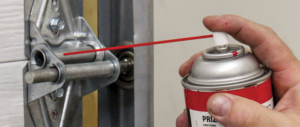
A loud garage door is one of the most common homeowner complaints. If you’ve ever asked, “Why is my garage door squeaking?” the cause is typically straightforward and easy to identify. Friction often occurs between moving parts.
With the right lubricant and basic preventive maintenance, you can keep your door running smoothly, quietly, and well.
Why Garage Doors Get Noisy
Over time, the moving components of your garage door experience wear and tear.
These parts include rollers, hinges, and springs. Without proper lubrication, friction increases. This friction can cause noticeable issues.
- Squeaking or grinding noises
- Jerky or uneven movement
- Increased strain on the opener
Ignoring these early warning signs can lead to more serious problems and costly door repairs.
Best Lubricant for a Garage Door
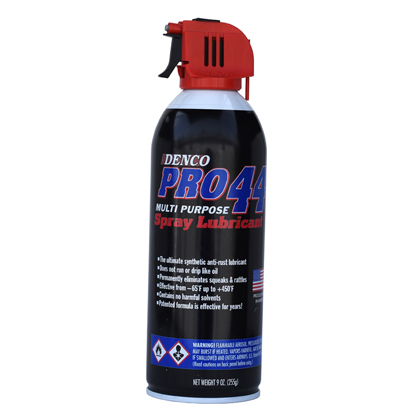
Choosing the right product is key to long-lasting results. The best lubricant options include:
- Silicone-based spray – ideal for smooth, clean application
- White lithium grease – thicker and longer-lasting for metal parts
🚫 Avoid using heavy oils or general-purpose sprays. These may attract dirt and won’t provide proper long-term protection.
Step-by-Step: How to Lubricate a Garage Door
Follow these simple steps to reduce noise and extend your system’s life.
You can also watch our video to see how to do this.
Ensure the garage door is fully closed. If you have an automatic opener, unplug it to prevent accidental movement.
Use a dry cloth to remove dust, dirt, and debris from the hardware. A clean surface allows the lubricant to work more effectively.
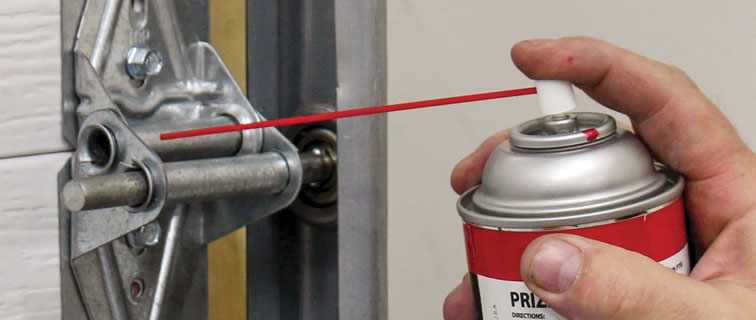
Focus on areas where friction occurs:
- Rollers: Apply to the bearings (avoid nylon surfaces)
- Hinges: Lubricate pivot points
- Springs: Lightly coat to reduce noise and tension
- Bearings and plates: Keep them rotating smoothly
👉 Important: Do not apply lubricant to the tracks, as this can interfere with proper operation.
Reconnect the opener, then open and close the door several times.. You should notice quieter and smoother movement immediately.
How to Fix a Noisy Garage Door
If your garage door is still making noise after lubrication, other issues may be causing the problem.
- Loose bolts or hardware
- Worn or damaged rollers
- Misaligned tracks
- Aging or stressed springs
Addressing these early is part of effective preventative maintenance and can help you avoid bigger repairs later.
DIY Garage Door Maintenance Tips
Routine upkeep doesn’t must be too complicated or demanding. These simple DIY garage door maintenance tips can make a significant difference:
- Inspect moving parts every 3–6 months
- Listen for unusual sounds during operation
- Keep hardware clean and free of buildup
- Schedule occasional professional tune-ups
Consistent upkeep helps extend the life of your garage door and improves overall performance.
Final Thoughts
Knowing how to lubricate a garage door is one of the easiest ways to prevent noise and reduce wear. Regular maintenance keeps everything running efficiently and helps you avoid unexpected breakdowns.
If your garage door still squeaks or runs poorly after lubrication, it may be time to call a professional. Acting early can save you time, money, and unnecessary stress.