South Metro: (952) 960-9411
Fire safety regulations play a critical role in protecting buildings, occupants, and emergency responders. In many commercial and multi-unit buildings, fire-rated doors are important.
They are a key part of the building’s fire protection system. Engineers design these specialized doors to contain fire and smoke. This helps prevent flames from spreading between building sections.
If your property has a garage door fire door or a fire-rated rolling door, you should know the rules.
These include fire codes, inspections, and certifications that apply to their use.
Below is an overview of how fire door regulations work and what building owners should know to stay compliant.
What Is a Fire-Rated Garage Door?
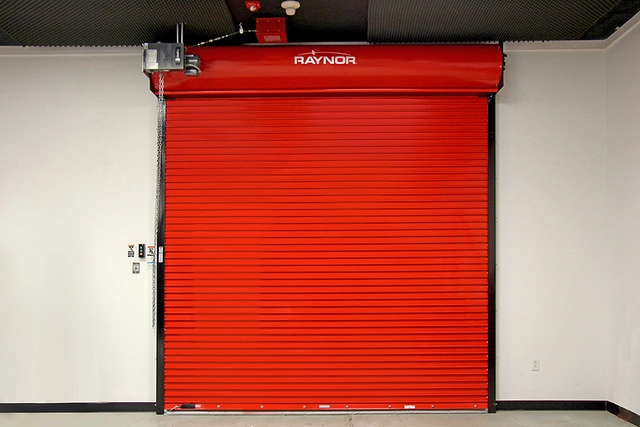
A fire-rated garage door, also called a rolling fire door or fire shutter, is a special door.
It closes on its own when a fire alarm sounds or a heat detector triggers.
Unlike standard garage doors, these doors can handle high heat and slow the spread of fire.
They are designed to do this for a set period of time.
Common fire ratings include:
- 20-minute fire rating
- 45-minute fire rating
- 60-minute fire rating
- 90-minute fire rating
- 3-hour fire rating
The rating indicates how long the door can resist fire exposure while maintaining structural integrity and preventing flame penetration.
Fire-rated doors are commonly found in:
- Commercial parking garages
- Warehouses
- Industrial buildings
- Apartment complexes
- Mixed-use developments
- Storage facilities
They are often installed in fire-rated walls or fire separation barriers where building codes require compartmentalization.
Key Fire Codes Governing Fire Doors
Several national fire safety standards regulate the installation and maintenance of fire-rated doors.
NFPA 80 – Standard for Fire Doors and Other Opening Protectives
The National Fire Protection Association (NFPA) publishes NFPA 80, the primary standard governing fire door assemblies.
NFPA 80 establishes requirements for:
- Installation of fire-rated doors
- Inspection and testing procedures
- Maintenance standards
- Documentation of inspections
One of the most important provisions of NFPA 80 is the annual inspection requirement for fire doors.
Building owners must ensure inspectors inspect and test fire door assemblies at least once a year. A qualified person must do the inspection and testing.
International Fire Code (IFC)
Local municipalities widely adopt the International Fire Code (IFC), and the IFC also regulates fire door systems.
The IFC requires that fire door assemblies:
- Remain operational and unobstructed
- Automatically close during a fire event
- Be maintained in accordance with NFPA standards
- Be accessible for inspection by authorities
Local jurisdictions often enforce these regulations through fire department inspections.
Fire Door Certifications
Fire-rated doors must be tested and certified by recognized laboratories to verify that they meet fire resistance requirements.
Common certification organizations include:
• UL (Underwriters Laboratories)
• Intertek / Warnock Hersey
• FM Global
A compliant fire door will have a certification label or tag attached to the door assembly. This label identifies:
• Fire rating
• Manufacturer
• Testing standard
• Approval organization
Removing or altering a fire door label can invalidate the certification and may cause the door to fail inspection.
Fire Door Inspections and Testing
Because fire doors save lives, inspect them often to ensure they work during an emergency.
Annual inspections typically include verifying that:
- The door closes automatically and fully
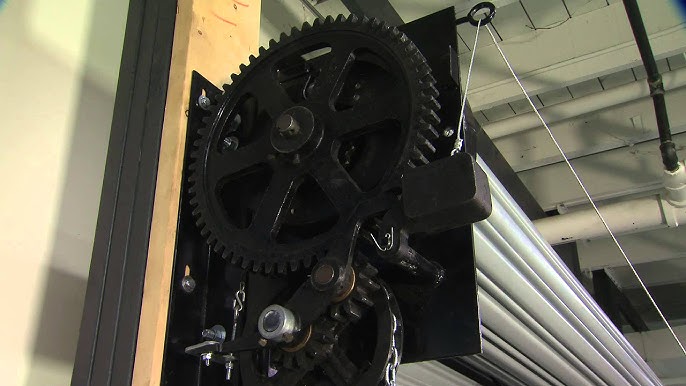
- Release mechanisms operate correctly
- Tracks and guides are unobstructed
- No modifications have been made to the door
- The fire door label remains legible
- The door is free of damage or corrosion
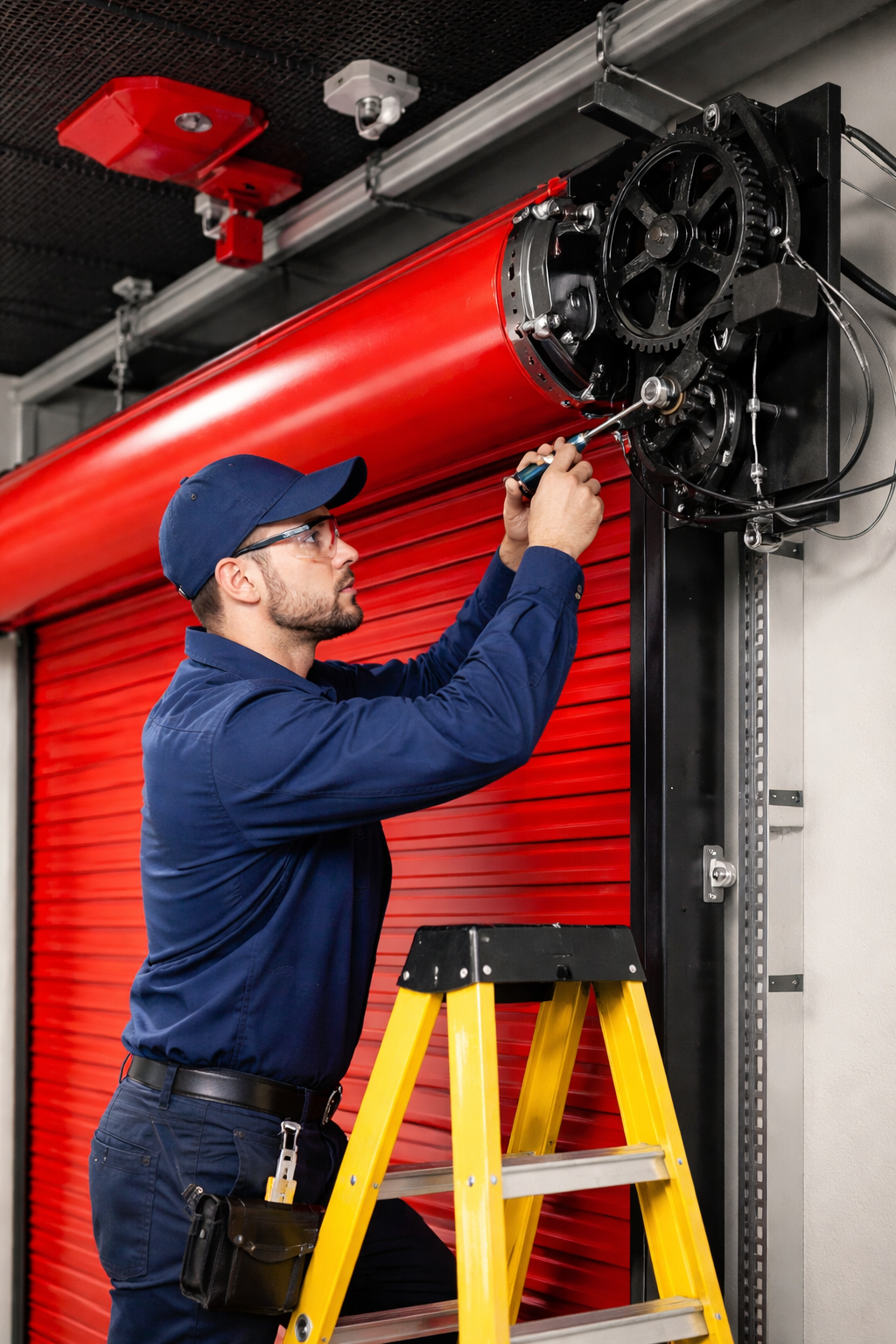
Testing may also include drop tests. These confirm that the door closes automatically when the fire alarm system activates. After the inspection, you must keep records to show that you adhere to fire codes.
The Role of Fire Marshals
Local fire marshals are responsible for enforcing fire safety regulations within their jurisdictions.
During building inspections, fire marshals may evaluate:
- Fire-rated door installations
- Inspection records
- Door operation and closure systems
- Alarm system integration
If inspectors find deficiencies, property owners may get a notice of violation. They must fix the issue within a set timeframe.
Failure to maintain fire doors can result in:
- Fines
- Failed safety inspections
- Delays in occupancy permits
- Increased liability in the event of a fire
Common Fire Door Compliance Issues
Some of the most frequent issues discovered during fire inspections include:
- Fire doors blocked or held open
- Missing or damaged certification labels
- Non-functioning automatic closures
- Improper repairs or modifications
- Lack of documented annual inspections
- Painting of doors or any components
- Doors that are no longer manufactured as parts need to be ordered only from the manufacturer.
Even minor modifications to a fire door assembly can compromise its fire rating.
Professional Maintenance and Compliance
Because fire door assemblies are life-safety equipment, trained professionals should inspect and repair them. They should be familiar with NFPA standards and local fire codes.
Qualified technicians can:
- Conduct annual fire door inspections
- Perform drop tests and operational testing
- Identify code violations
- Repair or replace non-compliant components
- Maintain documentation required by fire authorities
Proper maintenance ensures that fire doors operate as intended and helps property owners remain compliant with local regulations.
Schedule a Fire Door Inspection
Fire-rated garage doors are a critical part of your building’s fire protection system. Regular inspections and maintenance help ensure these doors function properly if an emergency occurs.
If your property has a fire-rated garage door or a rolling fire door, schedule regular inspections. These checks help keep people safe. They also ensure you meet building code requirements.
Metro Garage Door offers expert service and inspections for commercial door systems. It helps property owners keep buildings safe and code-compliant.
Contact Metro Garage Door today to schedule a fire door inspection or learn more about fire door regulations.