South Metro: (952) 960-9411
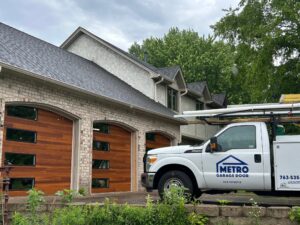
Your garage door is one of the hardest-working systems in your home. In fact, the average door opens and closes more than 1,500 times each year. Whether you’re heading to work, coming home after a long day, or using your garage for storage, you rely on your garage door. It should work safely and reliably.
When something doesn’t seem right, it’s easy to assume the worst. However, many common garage door issues have simple explanations. Knowing the cause can help you decide if it’s a quick fix you can do yourself. It can also show if you need a trained technician.
Below are some of the most common garage door complaints homeowners experience and the actual reasons behind them.
1. My Garage Door Won’t Open
This is one of the most common service calls garage door companies receive.
- Broken torsion spring
- Power outage or unplugged opener
- Dead remote battery
- Emergency release cord has been pulled
- Faulty garage door opener
Reason:
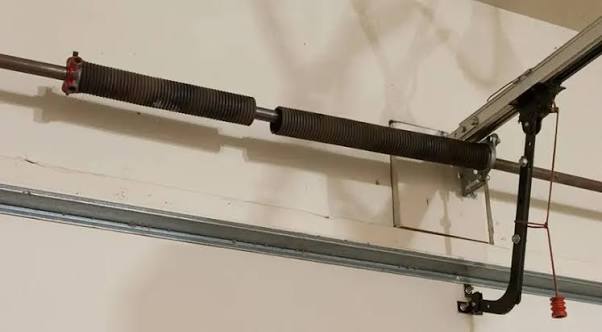
In many cases, the spring has broken. While many homeowners assume the opener does all the lifting, the springs actually carry most of the door’s weight. The opener mainly moves the door upward and downward. If a spring snaps, the opener usually lacks the power to raise the full door weight.
Tip: If you think a spring has broken, never try to force the door open. Attempting to do so can damage the opener and create a serious safety hazard.
2. My Garage Door Won’t Close
- Dirty safety sensors
- Sensors knocked out of alignment
- Something blocking the doorway
- Travel limits need adjustment
Reason:
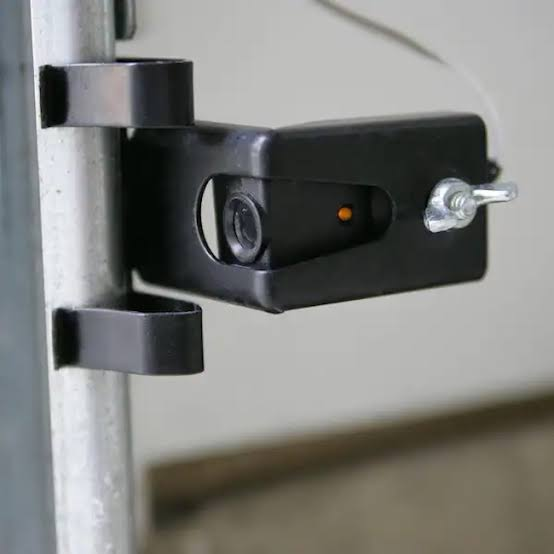
Modern doors are equipped with photo-eye safety sensors located near the bottom of the tracks. Engineers designed these sensors to prevent the door from closing if something blocks its path.
If the sensors get dirty, blocked, or slightly misaligned, the opener thinks something is in the way and will not close the door. Sometimes all it takes is cleaning the sensor lenses with a soft cloth or gently realigning them.
3. My Garage Door Is Making a Lot of Noise
- Dry rollers
- Worn hinges
- Loose hardware
- Aging bearings
- Lack of lubrication
Reason:
Garage doors contain dozens of moving parts that naturally wear over time. Without routine maintenance, these components begin creating squeaking, grinding, rattling, or popping noises.
Annual maintenance, proper lubrication, and tightening loose hardware can keep your garage door quiet. These steps can also extend the life of its parts.
4. The Door Opens Halfway and Stops
- Broken spring
- Door is out of balance
- Binding tracks
- Opener settings need adjustment
Reason:
Garage door openers include built-in safety features that monitor resistance. If the opener senses too much force while lifting the door, it stops automatically to protect the motor and door system.
A door that suddenly stops halfway is often signaling that another component needs attention before additional damage occurs.
5. My Garage Door Starts Closing, Then Goes Back Up
- Misaligned safety sensors
- Small object in the doorway
- Incorrect force settings
Reason:
Although this issue can be frustrating, it usually means your garage door is working exactly as designed. The automatic reverse system prevents the door from closing if it detects a possible obstruction.
Even something as small as leaves, dirt, spider webs, or bright sunlight interfering with the sensors can trigger the reversal.
6. The Door Feels Extremely Heavy
- Broken torsion spring
- Worn spring nearing the end of its lifespan
Reason:
Springs are designed to counterbalance the weight of the door. Without properly functioning springs, a residential garage door can weigh hundreds of pounds.
This isn’t a repair you should attempt yourself. Springs stay under extreme tension, so only trained professionals with the proper tools and experience should replace them.
7. My Remote Doesn’t Work
- Dead battery
- Lost programming
- Signal interference
- Receiver issue
Reason:
Most remote issues are surprisingly simple. Replacing the battery often solves the problem. If that doesn’t work, you may need to reprogram the remote so it can communicate with the opener.
If multiple remotes suddenly stop working, the issue may be with the opener’s receiver instead of the remotes themselves.
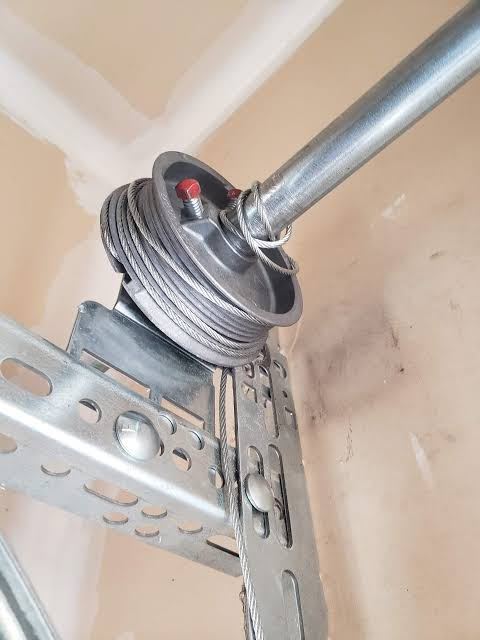
8. My Garage Door Looks Crooked
- Broken lift cable
- Door off track
- One side of the spring system has failed
Reason:
A crooked door usually indicates that one side of the lifting system is no longer functioning properly. A broken cable can cause one side of the door to rise while the other remains down.
Continuing to use the door can add stress to the tracks, rollers, and opener. This may lead to more damage.
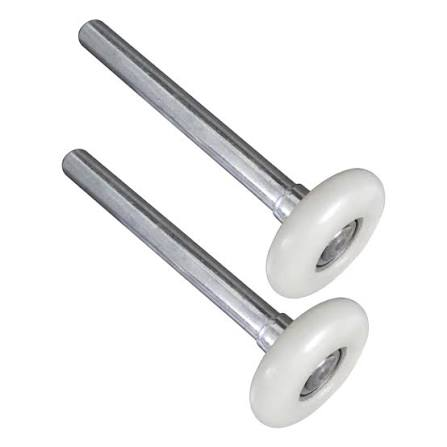
9. The Garage Door Shakes While Opening
- Worn rollers
- Loose hardware
- Bent tracks
- Door out of balance
Reason:
A properly functioning door should move smoothly with minimal vibration. Excessive shaking or a noisy garage door usually indicates worn components or an unbalanced door.
Ignoring the problem can accelerate wear and tear on other parts of the system, making future repairs more expensive.
10. My Garage Door Keeps Needing Repairs
- Aging components
- Lack of preventative maintenance
- Low-cycle springs
- General wear and tear

A garage door is made up of dozens of interconnected moving parts. When one component begins to fail, it often places additional strain on the rest of the system.
Regular maintenance allows technicians to spot worn components before they fail, helping homeowners prevent breakdowns and unexpected repair expenses.
When Should You Call a Professional?
Some door issues are simple enough for homeowners to address safely. Replacing remote batteries, checking for power, and cleaning the safety sensors are all reasonable first steps.
However, trained professionals should always handle repairs involving springs, lift cables, tracks, drums, or garage door openers. These components operate under significant tension and require specialized tools, proper training, and experience to repair safely.
Scheduling routine maintenance is one of the best ways to prevent unexpected breakdowns. Annual inspections help technicians keep your system in good shape. They lubricate moving parts.
They tighten hardware. They inspect springs and cables. They test safety features. They spot minor wear early.
Need Help Diagnosing Your Garage Door Problem?
If you’re experiencing any of these common garage door issues, the experienced technicians at Metro Garage Door can help. Our team will inspect your garage door system.
We will find the root cause of the problem. We will recommend the best repair solution, without unnecessary upselling. Whether your door won’t open, won’t close properly, makes strange noises, or doesn’t work as expected, we can help.
Contact Metro Garage Door today with any questions or to schedule a service visit. We’ll get your garage door operating safely, smoothly, and reliably again.
Final Thoughts
Most garage door problems don’t happen overnight. They often start with small warning signs like strange noises, slow movement, uneven operation, or visible wear on key parts.
Pay attention to these early symptoms. This can prevent costly repairs. It also keeps your garage door safe and reliable.