South Metro: (952) 960-9411

Living in Minnesota means dealing with freezing temperatures, heavy snowfall, and unpredictable weather. When winter sets in, I want my house to remain warm, cozy, and energy-efficient. Yet one space I may overlook is the garage.
If I’m thinking about a new garage door, I might wonder if paying more for insulation is worth it. Will it help keep the garage warmer? Can it reduce energy costs? And will it actually matter through a harsh Minnesota winter?
My use of the garage, whether it attaches to my home, and what I expect from my new door determine the answer.

What Is an Insulated Garage Door?
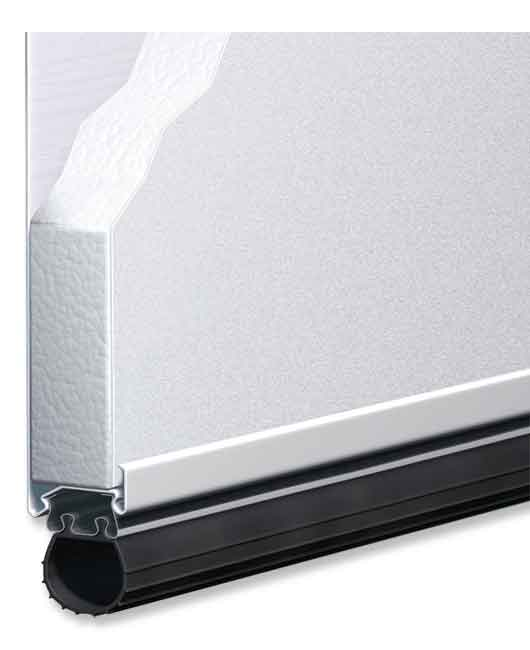
An insulated garage door has layers of material that help reduce heat transfer between my garage and the outdoors.
Unlike a basic single-layer steel door, insulated models typically contain polystyrene or polyurethane insulation. Some also feature an additional steel backing that provides extra durability.
When comparing options, I’ll likely come across something called an R-value. This measures how well insulation resists heat flow. Generally, a higher R-value means better insulating performance.
However, the R-value isn’t the only thing I should consider. The quality of the weatherstripping can affect how well my garage stays protected from the elements.
The installation can also affect it.
The overall construction matters too.
Will an Insulated Garage Door Keep My Garage Warmer?
If I live in Minnesota, this is probably one of my biggest questions.
An insulated garage door can help reduce heat loss during cold weather, but it won’t heat my garage on its own.
If my garage attaches to my house, insulation may help me keep temperatures steady. It slows heat transfer through the door. This can be highly helpful if I have a bedroom, living room, or other heated space near or above my garage.
If I use my garage as a workshop, home gym, or hobby space, an insulated door can help.
It may make the space more comfortable during the winter months.
However, if I do not insulate my garage walls and ceiling, I may not get the full benefits.
Large gaps around the door can also reduce the benefits.
The bottom line: Insulation can help my garage retain heat, but the results depend on the entire space, not just the door.
Can an Insulated Garage Door Lower My Energy Bills?
With Minnesota’s long heating season, I’m always interested in ways to improve my home’s energy efficiency.
If my garage connects to my house, an insulated door may help reduce temperature swings in nearby rooms.
For example, my garage might share a wall with my kitchen. A bedroom might be above the garage. In these cases, reducing heat loss through the garage door can make those rooms more comfortable.
However, I shouldn’t expect a dramatic reduction in my heating bills simply from replacing my garage door.
My potential energy savings will depend on several factors, including:
- Whether my garage is attached or detached
- How well my garage walls and ceiling are insulated
- The condition of my existing door
- How frequently I open and close my garage
- Whether my garage is heated
If energy efficiency is my top priority, I should think about how my garage affects my home’s insulation. I should also think about how it affects my heating system.

Are Insulated Garage Doors Quieter?
One benefit I might not immediately think about is noise reduction.
If my garage door rattles, shakes, or makes too much noise when opening and closing, an insulated upgrade may help.
Insulated garage doors typically feature a more robust construction, which can help minimize vibrations and reduce operational noise.
This can be especially helpful if I have a bedroom above my garage or frequently leave for work early in the morning.
Of course, insulation won’t eliminate every noise. Worn rollers, loose hardware, and an aging opener can still cause problems.
But if I’m already considering a new door, choosing an insulated option may provide a quieter experience.

Is an Insulated Garage Door More Durable?
Minnesota weather can be tough on exterior surfaces, and my garage door is no exception.
Between freezing temperatures, snow, ice, wind, and summer heat, I need a door that can handle changing conditions.
Many insulated garage doors have several layers, which can make them stiffer than basic single-layer models.
This added rigidity may help the door resist minor impacts and everyday wear.
However, insulation alone doesn’t determine durability. A garage door’s durability also depends on steel thickness, overall construction, hardware quality, and proper maintenance.
When shopping for a new door, I should compare the overall construction rather than focusing exclusively on insulation.

What About My Garage Door in the Summer?
While Minnesota winters get most of the attention, summers can also bring hot temperatures and humid conditions.
An insulated garage door doesn’t just help during the winter. It can also slow heat transfer into my garage during warmer months.
If my garage receives direct afternoon sunlight, insulation may help reduce how quickly the interior heats up.
This can be particularly useful if I store temperature-sensitive belongings or spend time working in my garage.
Although insulation won’t replace air conditioning or good ventilation, it can help keep spaces comfortable year-round.
Is an Insulated Garage Door Worth the Extra Cost?
When deciding whether to invest in an insulated garage door, I need to think about how I use my garage.
An insulated door may be worth the investment if:
- My home has an attached garage.
- I have living space above or beside my garage.
- I use my garage as a workshop, gym, or hobby area.
- I want to reduce noise when my door operates.
- I’m looking for a more rigid, durable door.
- I plan to stay in my home for several years.
On the other hand, I may have a detached garage. I rarely use it except for parking. In that case, a non-insulated option may meet my needs. It may also cost less.
There’s no single answer that works for every Minnesota homeowner.
How Do I Choose the Right Insulated Garage Door?
If I’ve decided that insulation is important, my next step is finding the right door for my home.
I’ll want to compare insulation types, R-values, construction materials, appearance, and overall cost.
I should also consider the condition of my garage opening and whether the existing weatherstripping provides a proper seal.
Even a well-insulated door can let cold air inside if you don’t install or seal it correctly.
That’s why professional installation matters.
Working with an experienced garage door company can help me understand my options and choose a product that fits my home, budget, and needs.
So, Is an Insulated Garage Door Worth It in Minnesota?
For many Minnesota homeowners, the answer is yes.
An insulated garage door can offer benefits beyond keeping cold air out. From better comfort and less noise to added strength, it is a good upgrade.
Consider it when you replace an older door.
However, I should remember that insulation is only one part of the equation. My garage’s construction, heating, ventilation, and overall condition will influence how much of a difference I notice.
If I already plan to replace my garage door, it helps to compare insulated and non-insulated options first.
Find the Right Garage Door for Your Minnesota Home
At Metro Garage Door, we’ve been helping homeowners throughout the Twin Cities choose, install, and maintain garage doors since 1978.
We offer a wide selection of styles, materials, and insulation options from trusted manufacturers. Our team can help you compare products and find a door that fits your home and budget.
Whether you are replacing an old door or planning a new installation, we are here to help. We will help you make an informed choice.
Contact Metro Garage Door today to schedule a free on-site consultation and explore your options for a new garage door.